





julio 26, 2026
stevem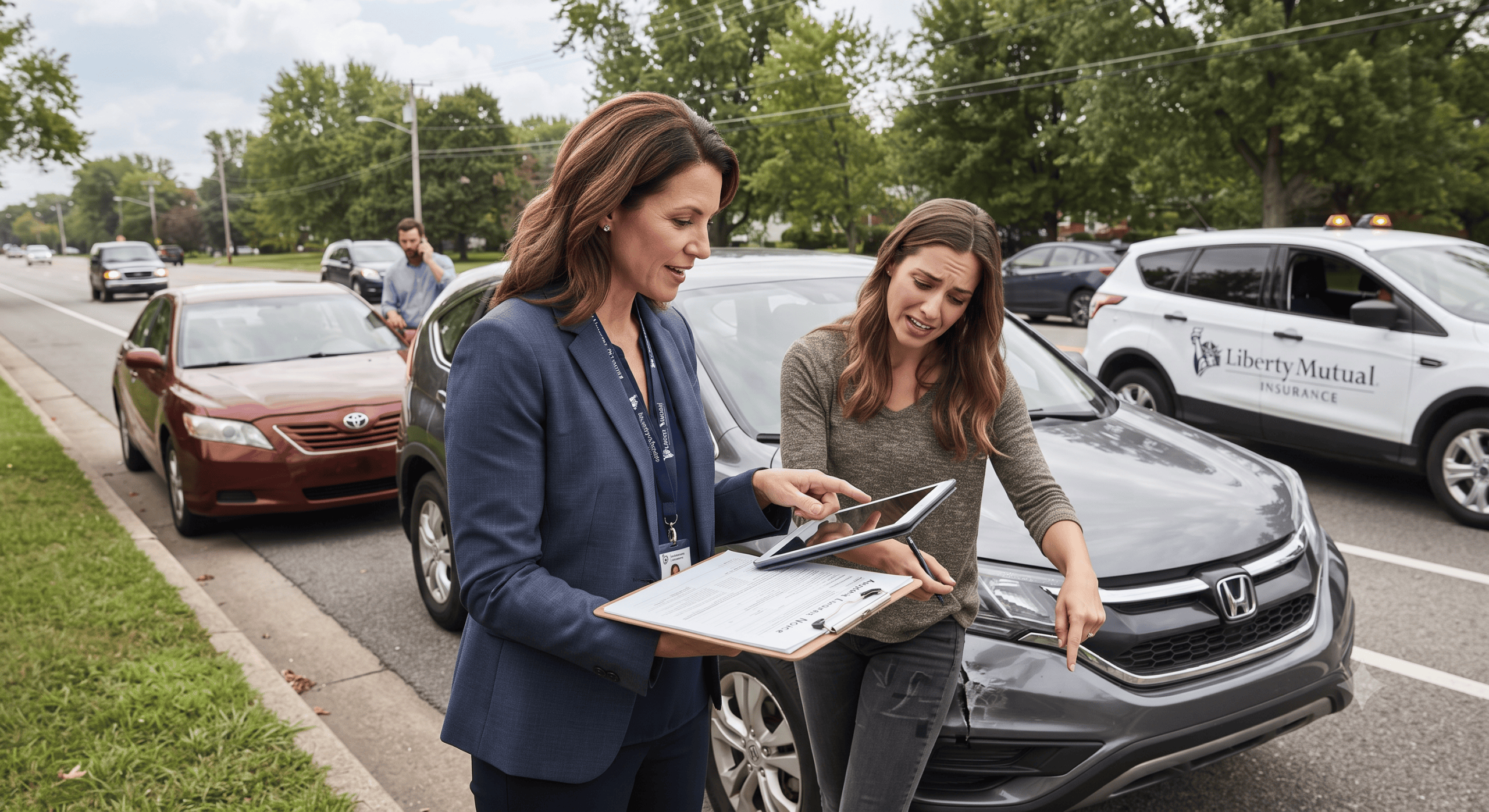
How to File an Auto Insurance Claim in Georgia: A Step-by-Step Guide
Imagine this: You’re driving home after work, traffic slows unexpectedly, and before you know it, you hear the unmistakable crunch of metal. Thankfully, no one is seriously injured, but as you step out of your vehicle, one thought keeps running through your mind:
«What am I supposed to do now?»
For many Georgia drivers, that moment after an accident is filled with uncertainty. Even experienced drivers often aren’t sure what information to collect, who to call first, or how the claims process actually works. Unfortunately, mistakes made in those first few minutes—or even days—can delay your claim or make it more difficult to receive the compensation you’re entitled to.
The good news is that filing an insurance claim doesn’t have to be overwhelming. Knowing the process before you need it can help you stay calm, protect your interests, and get back on the road faster.
This guide explains exactly how to file an auto insurance claim that Georgia drivers should follow, from the accident scene through vehicle repairs and settlement. We’ll also discuss Georgia’s at-fault insurance laws, common claim mistakes, and why having the right coverage before an accident is one of the smartest decisions you can make.
Step 1: Stay Safe First
Your first priority after any accident is safety.
If the vehicles can be moved safely and the collision is minor, move them out of traffic to prevent another accident. Turn on your hazard lights and check everyone involved for injuries.
If anyone appears injured, call 911 immediately.
Even if the accident seems minor, avoid assuming everyone is fine. Some injuries, including whiplash and concussions, may not appear until hours later.
Step 2: Contact Law Enforcement
Georgia law generally requires drivers to report accidents involving injuries, fatalities, or significant property damage.
A responding police officer will:
- Document the accident
- Record driver statements
- Identify witnesses
- Prepare an official accident report
This report often becomes an important piece of your Georgia car accident insurance claim.
Even for relatively minor collisions, having an official report can help clarify what happened if there are later disagreements.
Step 3: Exchange Information
Gather the following information from every driver involved:
- Full name
- Address
- Phone number
- Driver’s license number
- Insurance company
- Policy number
- Vehicle make and model
- License plate number
If there are passengers or witnesses nearby, ask for their contact information as well.
Witness statements can become extremely valuable if fault is disputed later.
Step 4: Take Photos Before Leaving
Today’s smartphones make documenting an accident easier than ever.
Photograph:
- Vehicle damage
- The entire accident scene
- Skid marks
- Road conditions
- Traffic signs
- Nearby intersections
- Weather conditions
- License plates
- Any visible injuries
Take more photos than you think you’ll need.
Your insurance adjuster can often use these images to better understand exactly what happened.
Step 5: Avoid Admitting Fault
One of the biggest mistakes drivers make is apologizing or admitting blame.
Even saying something as simple as:
- «I didn’t see you.»
- «I’m sorry.»
- «This was my fault.»
can later be interpreted as admitting liability.
Instead, stick to factual statements when speaking with the other driver, police officers, and your insurance company.
Determining fault involves reviewing multiple pieces of evidence—not just one driver’s opinion at the scene.
Understanding Georgia’s At-Fault Insurance System
Georgia follows an at-fault (or tort) insurance system.
That means the driver responsible for causing the accident is generally responsible for paying damages through their liability insurance.
Depending on the situation, you may:
- File through your own insurer
- File through the at-fault driver’s insurer
- Potentially use collision coverage if you carry it
Georgia also follows a modified comparative negligence rule.
If multiple drivers share responsibility, fault may be divided by percentages. As long as you are less than 50% responsible for the accident, you may still recover damages, although your compensation may be reduced by your percentage of fault.
Understanding this system is an important part of the auto claim process Georgia drivers should know before an accident occurs.
Step 6: Notify Your Insurance Company
Even if another driver caused the accident, notify your insurer as soon as possible.
Many insurance companies allow claims through:
- Mobile apps
- Online portals
- Phone calls
- Local agents
Prompt reporting allows your insurer to begin gathering evidence while information is still fresh.
When filing your claim, you’ll likely be asked for:
- Date and time of accident
- Location
- Police report number (if available)
- Driver information
- Photos
- Description of events
Being organized can speed up the claims process considerably.
Step 7: Work With Your Claims Adjuster
Once your claim is opened, an insurance adjuster is assigned.
Their job is to:
- Investigate the accident
- Review police reports
- Examine photos
- Interview drivers
- Contact witnesses
- Evaluate vehicle damage
- Determine liability
- Estimate repair costs
The adjuster may also inspect your vehicle in person or review repair estimates electronically.
Respond promptly to requests for additional documentation to help avoid unnecessary delays.
Step 8: Obtain Vehicle Damage Estimates
Depending on your insurer, you may:
- Visit an approved repair shop
- Choose your own repair facility
- Receive a virtual estimate
- Have an adjuster inspect your vehicle
Repair estimates identify:
- Damaged parts
- Labor costs
- Paint work
- Replacement needs
- Safety-related repairs
If additional damage is discovered after repairs begin, the repair shop can often submit supplemental estimates for approval.
What Happens if Your Vehicle is Declared a Total Loss?
Sometimes repairing a vehicle costs nearly as much—or more—than replacing it.
When this happens, the insurer may determine the vehicle is a total loss.
Rather than paying for repairs, they’ll generally offer a settlement based on the vehicle’s actual cash value immediately before the accident.
Factors include:
- Age
- Mileage
- Condition
- Market value
- Comparable vehicle sales
If you still owe money on your auto loan, gap insurance may help cover the difference between your loan balance and the vehicle’s value, depending on your policy.
Step 9: Understand Your Deductible
If you’re using your own collision coverage, your deductible applies.
For example:
Repair cost: $4,000
Deductible: $500
Insurance payment: $3,500
You pay: $500
Higher deductibles generally reduce insurance premiums but increase out-of-pocket costs after a claim.
Choosing the right deductible is an important part of building coverage that fits both your budget and your financial comfort level.
Rental Car Coverage
Many drivers assume a rental vehicle is automatically covered after an accident.
That’s not always true.
Rental reimbursement coverage is optional on many auto policies.
If you selected this coverage, your insurer may help pay for a rental vehicle while your car is being repaired, subject to your policy limits.
Without it, you’ll typically pay rental costs yourself unless the at-fault driver’s insurer accepts liability and agrees to reimburse eligible expenses.
Medical Payments and Injury Claims
Even relatively low-speed accidents can result in medical expenses.
Depending on your policy, you may have optional coverages that help with eligible medical costs regardless of fault.
If another driver caused the accident, their bodily injury liability insurance may also provide compensation for covered injuries and related damages.
Keep copies of:
- Medical bills
- Prescriptions
- Treatment records
- Physical therapy invoices
- Lost wage documentation
Good documentation helps support your claim.
Common Mistakes That Delay Claims
Knowing what to avoid can make the claims process much smoother.
Waiting Too Long to Report the Accident
The longer you wait, the harder it becomes to gather evidence.
Prompt reporting helps preserve witness statements and physical evidence.
Forgetting to Take Photos
Photos often become some of the strongest evidence available.
Without them, liability disputes may become more difficult.
Providing Incomplete Information
Missing details can slow investigations.
Keep copies of every document you submit.
Ignoring Calls From the Adjuster
Claims move faster when communication remains open.
Return calls and emails promptly.
Repairing the Vehicle Before Approval
Unless instructed otherwise, wait until your insurer authorizes repairs.
Unauthorized repairs may complicate reimbursement.
Accepting the First Offer Without Understanding It
Ask questions if any part of the settlement is unclear.
Understanding what is—and isn’t—covered helps prevent surprises later.
How Long Does the Auto Claim Process Georgia Drivers Experience Usually Take?
Every claim is different.
Simple property damage claims with clear liability may be resolved within a matter of weeks.
More complex claims involving:
- Multiple vehicles
- Serious injuries
- Disputed fault
- Extensive repairs
may take considerably longer.
Your cooperation and timely responses can help keep the process moving efficiently.
Why Having the Right Coverage Matters Before an Accident
One of the hardest moments after a collision is discovering your policy doesn’t include coverage you assumed you had.
Drivers often realize too late that they don’t have:
- Collision coverage
- Comprehensive coverage
- Rental reimbursement
- Roadside assistance
- Uninsured/underinsured motorist coverage
- Gap insurance
Reviewing your policy before an accident happens gives you an opportunity to make adjustments while you still have choices.
It’s much easier to update coverage during a routine policy review than after filing a claim.
How an Independent Insurance Agency Can Help
Buying insurance isn’t simply about finding the lowest premium.
It’s about making sure your coverage works when you actually need it.
An independent agency can help explain:
- Available coverage options
- Deductibles
- Policy limits
- Optional endorsements
- Discounts
- Claims support
Having a trusted insurance professional available when questions arise can make the claims process feel far less stressful.
Final Thoughts
Accidents happen when you least expect them, but knowing what to do can make a stressful situation much more manageable. From staying safe at the scene and gathering the right information to working with your insurance adjuster and understanding Georgia’s at-fault laws, every step you take can help your claim move forward more smoothly.
Perhaps the biggest takeaway is this: the best time to prepare for an accident is before one ever happens. Reviewing your policy now can help ensure you have the protection you need when it matters most.
If you’re unsure whether your current policy provides the right level of coverage, the team at Best Auto Insurance is here to help. Contact us today for a free quote and let us help you find coverage that fits your needs and your budget with confidence.
Frequently Asked Questions About How to File an Auto Insurance Claim in Georgia
How soon should I file an auto insurance claim after an accident in Georgia?
You should notify your insurance company as soon as reasonably possible after the accident. Prompt reporting helps the investigation begin while evidence and witness recollections are still fresh.
Do I have to call the police after a car accident in Georgia?
Georgia law generally requires reporting accidents involving injuries, fatalities, or significant property damage. Even in minor accidents, obtaining a police report can help support your insurance claim.
Will my insurance rates increase if I file a claim?
Rate changes depend on several factors, including fault, your claims history, and your insurer’s underwriting guidelines. Filing a claim does not automatically mean your premium will increase.
Can I choose my own repair shop?
In most cases, yes. Many insurers allow you to choose your preferred repair facility, though they may also recommend shops within their approved repair network.
What if the other driver doesn’t have insurance?
If you carry uninsured motorist coverage, it may help cover eligible damages when you’re involved in an accident with an uninsured driver, subject to your policy’s terms and limits.
Categories: Auto Insurance